How Modernized Liberalism Reshaped 19th-Century Society

Modernized Liberalism

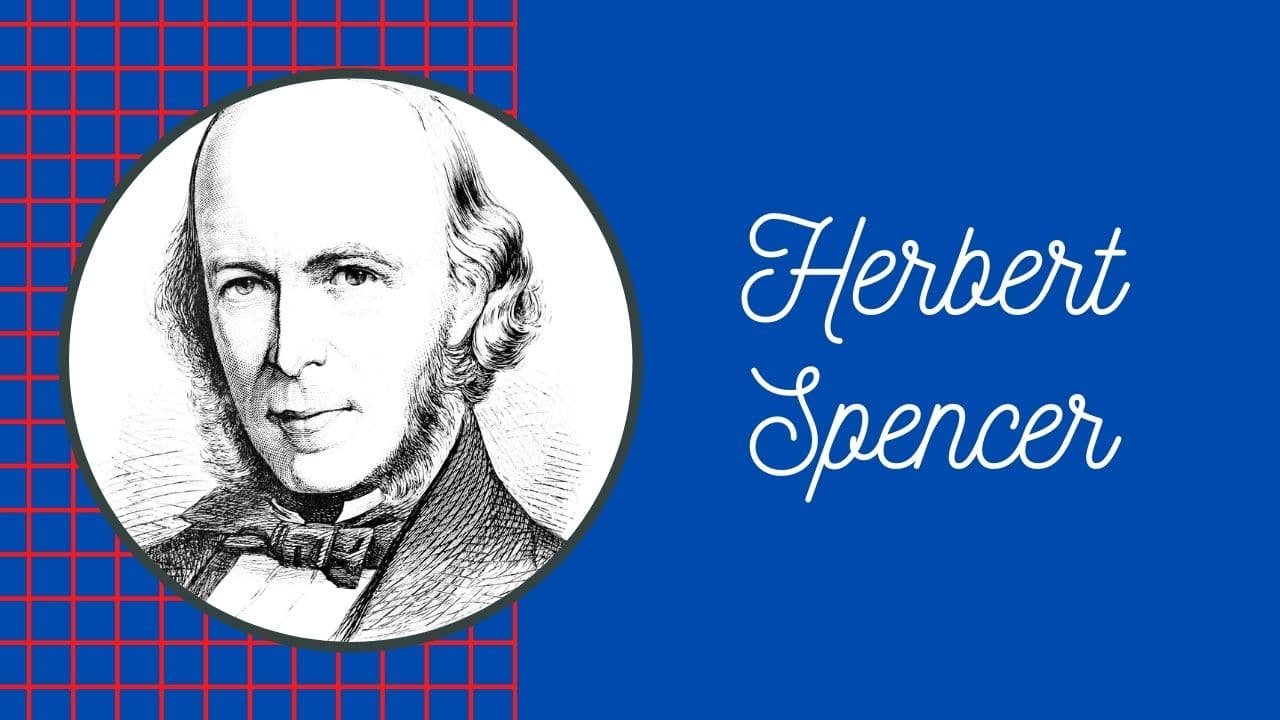
Modernized liberalism emerged as a response to the social and economic upheavals of the 19th century. While early liberalism championed free trade and individualism, the harsh realities of unregulated industrialism—child labor, unsafe working conditions, and social inequality—prompted a shift toward social reform. Thinkers like John Stuart Mill, Herbert Spencer, and the Oxford idealists revised liberal … Read more

Liberalism and Philosophical Radicalism: From Revolution to Reform

Liberalism and Philosophical Radicalism

Liberalism, shaped by the legacy of the Revolutionary Era, evolved through the 19th century into a philosophy balancing individual rights with societal needs. Rooted in the principles of Locke, Jefferson, and the Philosophical Radicals, it became a driving force for political reform, constitutional government, and civil liberties. This evolution illustrates how revolutionary ideals transitioned into … Read more

The Enduring Influence of Hegelianism on Modern Politics

The Later Significance of Hegelianism

Hegelianism, often cloaked in abstract dialectics, profoundly shaped political thought well beyond Germany. From inspiring Marx’s critique of society to influencing English liberalism and even early fascist philosophy, Hegel’s ideas about the state, nationalism, and social forces redefined the study of politics in the 19th century. This article explores the lasting significance of Hegelian thought … Read more

Hegel’s Theory of the State: Civil Society, Law, and Authority

The State and Civil Society

Hegel’s theory of the state explores the intricate relationship between the state and civil society, highlighting mutual dependence while asserting the state’s moral and rational supremacy. Unlike a utilitarian institution, the state embodies the ethical and spiritual ideal, guiding civil society toward the realization of higher purposes. Hegel emphasizes law, structured governance, and the role … Read more

Hegel on Freedom and Authority: The Individual vs. the State

Hegel Freedom and Authority

Hegel’s philosophy of freedom emphasizes the inseparable connection between the individual and society. Critiquing both mystical and rationalist forms of individualism, he argued that true freedom emerges not from unchecked self-will, but from fulfilling one’s ethical and social duties within the state. In Hegel’s view, the state embodies moral authority, guiding individuals toward real freedom … Read more

Individualism and the Theory of the State: Hegel’s Challenge to Liberal Thought

Individualism and the Theory of the State

The debate between individualism and the authority of the state stands at the heart of modern political philosophy. In The Philosophy of Right, G. W. F. Hegel offered one of the most influential critiques of liberal individualism, arguing that freedom is not realized in isolation but through participation in social institutions and the state. Rejecting … Read more

Dialectic and Historical Necessity: Hegel’s Logic of History and Social Change

Dialectic and Historical Necessity

Dialectic and historical necessity form the core of G. W. F. Hegel’s philosophy of history and political thought. Hegel argued that historical development is neither accidental nor purely the result of individual will, but the outcome of rational, impersonal forces unfolding through contradiction and resolution. Using the dialectical method, he sought to explain how social … Read more

The Historical Method of Dialectic and Nationalism in Hegel’s Philosophy

The Historical Method of Dialectic & Nationalism

Hegel’s historical method of dialectic represents one of the most ambitious attempts to reconcile reason, history, morality, and political authority into a single philosophical system. Developed in response to Enlightenment individualism and the upheavals of the French Revolution, Hegel’s dialectic sought to explain historical change as a rational and necessary process. Central to this method … Read more

Convention and Tradition in Hume and Burke: Foundations of Conservative Thought

Convention and Tradition: Hume and Burke

David Hume and Edmund Burke reshaped modern political philosophy by dismantling the rationalist doctrine of natural law and replacing it with a powerful emphasis on convention, tradition, and historical continuity. Where Enlightenment thinkers sought universal principles grounded in reason, Hume exposed the limits of rational certainty, arguing that social order rests on habits, sentiments, and … Read more

Jean-Jacques Rousseau: Rediscovering Community and the General Will

Jean Jacques Rousseau

Jean-Jacques Rousseau, a seminal figure of the French Enlightenment, challenged the prevailing rationalist and individualist ideologies of his time. Through his writings, he emphasized that humans achieve their true moral and social nature only within communities. His revolutionary concepts of the “general will” and civic virtue reshaped political philosophy, influencing democratic thought, patriotism, and collective … Read more