Federal Government: Strengths, Weaknesses, and Key Features
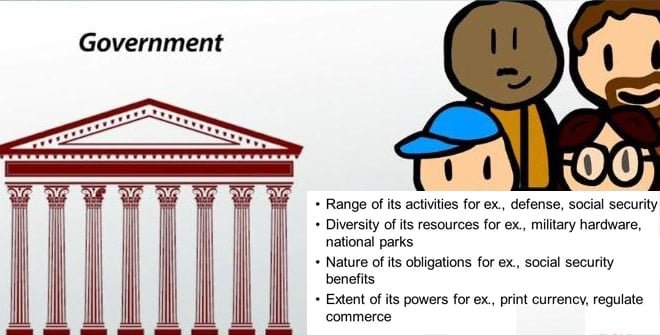
Federal Government

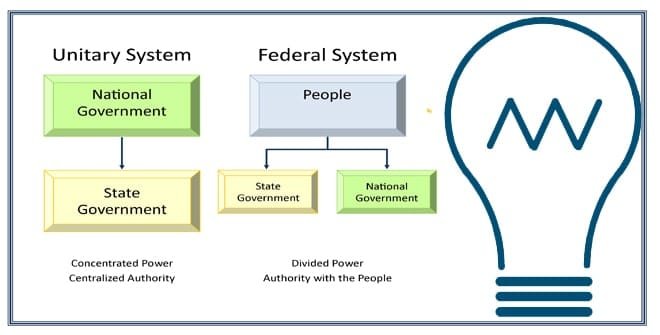
The federal government is a system in which power is divided between central and state authorities, balancing national unity with local autonomy. Unlike unitary systems, it allows states to govern themselves on local matters while maintaining a unified national policy on broader issues. This structure promotes experimentation in governance, protects against centralized despotism, and accommodates … Read more

Unitary Government Explained: Centralized Authority & Local Limits

Unitary and Centralized Government

Unitary government is a system where ultimate authority is concentrated in a single central body, giving uniform laws and policies nationwide. While often centralized, it can allow limited local administration through deconcentration and decentralization. This article explores its strengths, weaknesses, and real-world examples, with France as a key illustration. “Unitary government ensures unity and uniformity, … Read more

The Future of Democracy: Challenges, Conditions, and Global Trends

The Future of Democracy

Democracy, despite its flaws, is increasingly becoming the dominant political system worldwide. From post-war Europe to the Americas and Asia, nations have embraced democratic principles, though their success varies with the political maturity, education, and civic engagement of their populations. Understanding the essential conditions for successful democracy is crucial as societies face new challenges, from … Read more

Democratic Government: Strengths, Weaknesses, and Insights

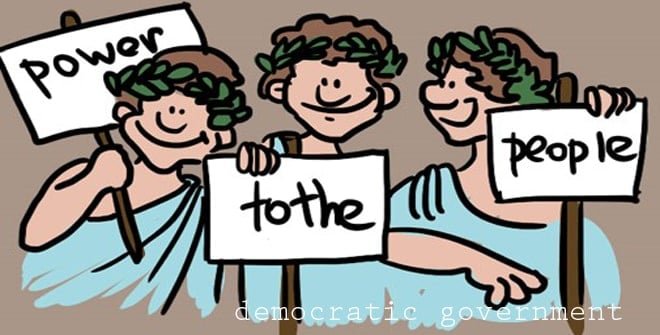
democratic government

Democratic government, defined as governance by the people, for the people, and through elected representatives, has long been celebrated for empowering citizens and promoting equality. While its strengths lie in fostering civic responsibility, political participation, and accountability, critics argue that it can also suffer from inefficiency, susceptibility to demagoguery, and undue influence of wealth. Understanding … Read more

Aristocratic Government: Rule by the Capable Few

Aristocratic Government

Aristocratic government is a system where power is concentrated in the hands of a small, elite class considered most capable of governance. Rooted in the Greek term aristokratia, meaning “rule of the best,” aristocracy has evolved over centuries, encompassing hereditary, wealth-based, cultural, and professional elites. While praised for stability, experience, and restraint, it faces criticism … Read more

Monarchy Government Explained: History, Strengths & Weaknesses

Monarchy Government

Monarchy is one of the oldest forms of government, historically dominant in Europe, Asia, and Africa. While absolute monarchies have mostly faded, constitutional monarchies like those in Great Britain and Japan continue to combine tradition with modern governance. This guide explores the history, merits, weaknesses, and global presence of monarchy governments. “Though all kinds of … Read more

Comprehensive Guide to Classifications of Government

Classifications of Government

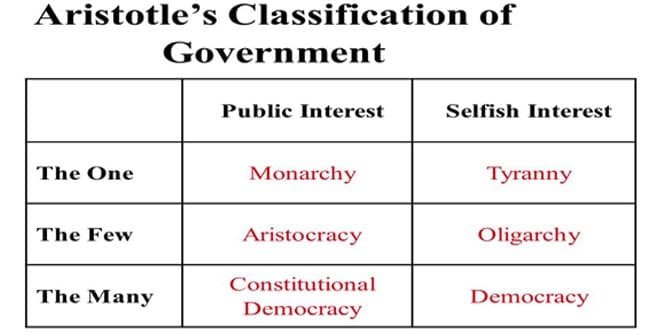
Governments worldwide are diverse in structure, authority, and function. Understanding their classifications—monarchy, aristocracy, democracy, and republic—is crucial for analyzing political systems. This guide explores the forms, characteristics, and historical evolution of governments, highlighting how they exercise power and serve society. “All governments are, in fact, carried on by a relatively small number of persons; yet … Read more

How Constitutions Evolve: Growth, Interpretation & Amendments

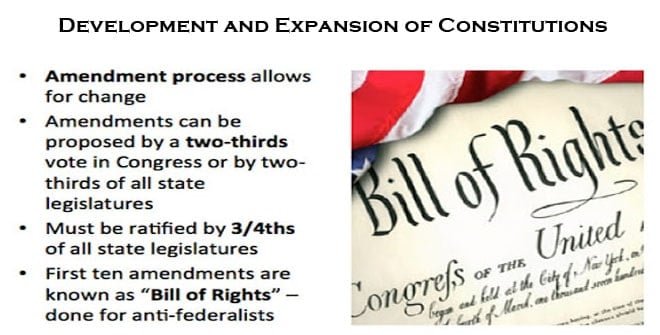
Development and Expansion of Constitutions

Constitutions are the backbone of governance, defining the relationship between the state and its citizens. Far from being static, constitutions develop and expand over time through customs, judicial interpretation, and formal amendments. This growth ensures they remain relevant, flexible, and capable of guiding societies amid changing political, social, and economic conditions. From the United States … Read more

Essentials of a Written Constitution: Meaning, Structure, and Importance

Essentials of a written constitution

A written constitution is the supreme and fundamental law of a state, occupying the highest position in the legal hierarchy. As lex superior, it prevails over ordinary legislation and is more difficult to amend, ensuring stability and continuity in governance. A written constitution defines the nature of the state, proclaims foundational political principles, protects citizens’ … Read more

Strengths and Weaknesses of Written and Unwritten Constitutions

Strength and Weakness of Different Types of Constitutions

The debate over written versus unwritten constitutions remains central to constitutional law and democratic governance. While written constitutions offer clarity, stability, and legal certainty, unwritten or flexible constitutions emphasize adaptability and organic growth. Understanding the strengths and weaknesses of each system helps explain why modern nations—especially the United States—overwhelmingly favor written constitutional frameworks, while a … Read more