How the State Ensures the Realisation of Citizen Rights
The Realisation Of Rights

The realisation of rights is central to the function of the modern State. While citizens may possess inherent rights, it is the responsibility of the State to create conditions where these rights can be exercised meaningfully. Through decentralization, organized consultation, and careful limitation of authority, the State enables individuals and associations to flourish while preventing … Read more

Understanding Particular Rights: Foundations of Liberty and Justice

Discuss about particular rights

Particular rights are the cornerstone of a functional society, ensuring individuals can achieve their fullest potential. Beyond legal documents, these rights depend on tradition, civic engagement, and social institutions. By exploring rights like the right to work, fair wages, and personal freedoms, we understand how citizens can shape a just and equitable society. “Rights are … Read more

Balancing Individual Rights and State Authority in Modern Society

Rights And The State

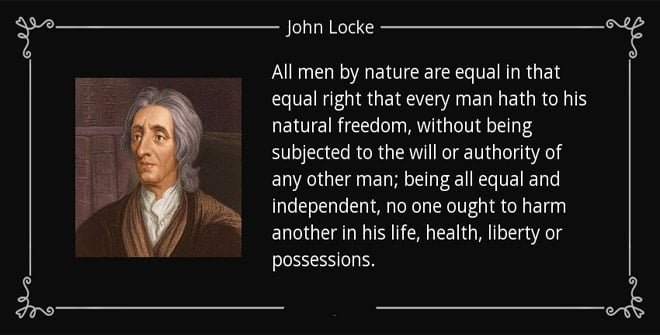
Rights are not solely granted by the State—they arise wherever individuals and communities express their personality, beliefs, and collective goals. The State plays a coordinating role, but its power must never overshadow other associations, whether religious, social, or professional. True liberty and equality emerge when the State facilitates the full personal development of its citizens, … Read more

Understanding the Nature of Rights: Citizen and State in Balance

The Nature Of Rights

The nature of rights is the cornerstone of political philosophy, defining the relationship between the State and its citizens. Rights are not mere legal privileges but essential conditions that allow individuals to achieve their best selves while contributing to the common good. A State’s true character is reflected in how it recognizes, protects, and adapts … Read more

Understanding Forms of Government and the State

Forms of government

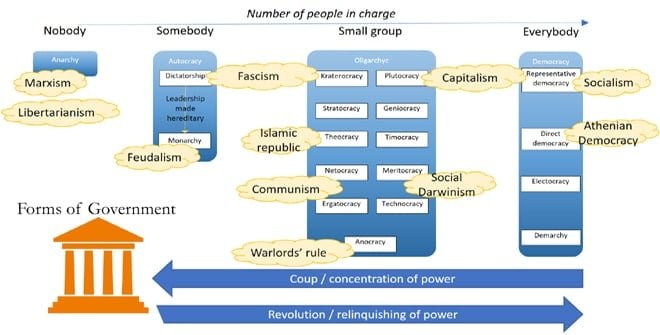
The study of states and their governments reveals that while all states share essential elements like population, territory, government, and sovereignty, their organization and functioning differ widely. Political scientists classify governments—monarchy, aristocracy, democracy, and dictatorship—based on sovereignty, power distribution, and citizen participation. Understanding these forms is key to analyzing the strengths, weaknesses, and efficiency of … Read more

Understanding Political Power: The State as a Moral and Administrative Entity

The nature of political power

Political power is not an abstract force—it is a trust exercised by the State through its officials, grounded in both administrative structure and moral responsibility. The State shapes the lives of its citizens, providing avenues for self-expression and societal contribution while demanding vigilance and accountability. By understanding how the will of the State arises, citizens … Read more

Why Modern Political Philosophy is Crucial for Today’s World

The-Necessity-Of-Government

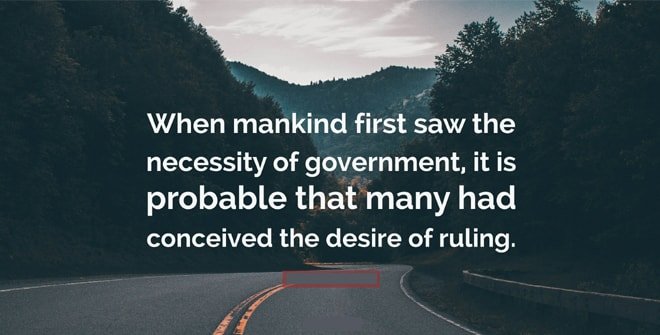
In an era of unprecedented complexity, the political theories of the past no longer suffice. Modern political philosophy seeks to reconcile the scale of contemporary societies with the impulses, reason, and social good of individuals. Unlike the simple frameworks of Bentham, Hegel, or Marx, today’s political thought must address the vast interdependence of nations, the … Read more

Understanding the Division of Powers: Unitary vs Federal Systems

Division of Powers

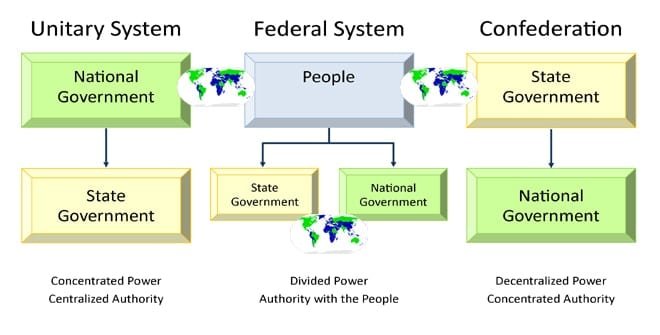
Modern states organise governmental authority not only by function but also by territory. Dividing powers territorially allows local units to manage issues specific to their regions, while the central government handles matters of national interest. This balance underpins both unitary and federal systems, affecting governance, efficiency, and citizen participation. “Federalism combines unity with diversity, allowing … Read more

Necessity of Separation of Powers in Modern Government

Separation of powers

The principle of separation of powers is fundamental to modern governance. It divides government authority among legislative, executive, and judicial branches to prevent the concentration of power and safeguard individual liberty. While originally conceptualized by Montesquieu and later adopted in American and European constitutions, its practical application requires a balance between independence and interdependence among … Read more