Individualism and the Theory of the State: Hegel’s Challenge to Liberal Thought

Individualism and the Theory of the State

The debate between individualism and the authority of the state stands at the heart of modern political philosophy. In The Philosophy of Right, G. W. F. Hegel offered one of the most influential critiques of liberal individualism, arguing that freedom is not realized in isolation but through participation in social institutions and the state. Rejecting … Read more
Dialectic and Historical Necessity: Hegel’s Logic of History and Social Change

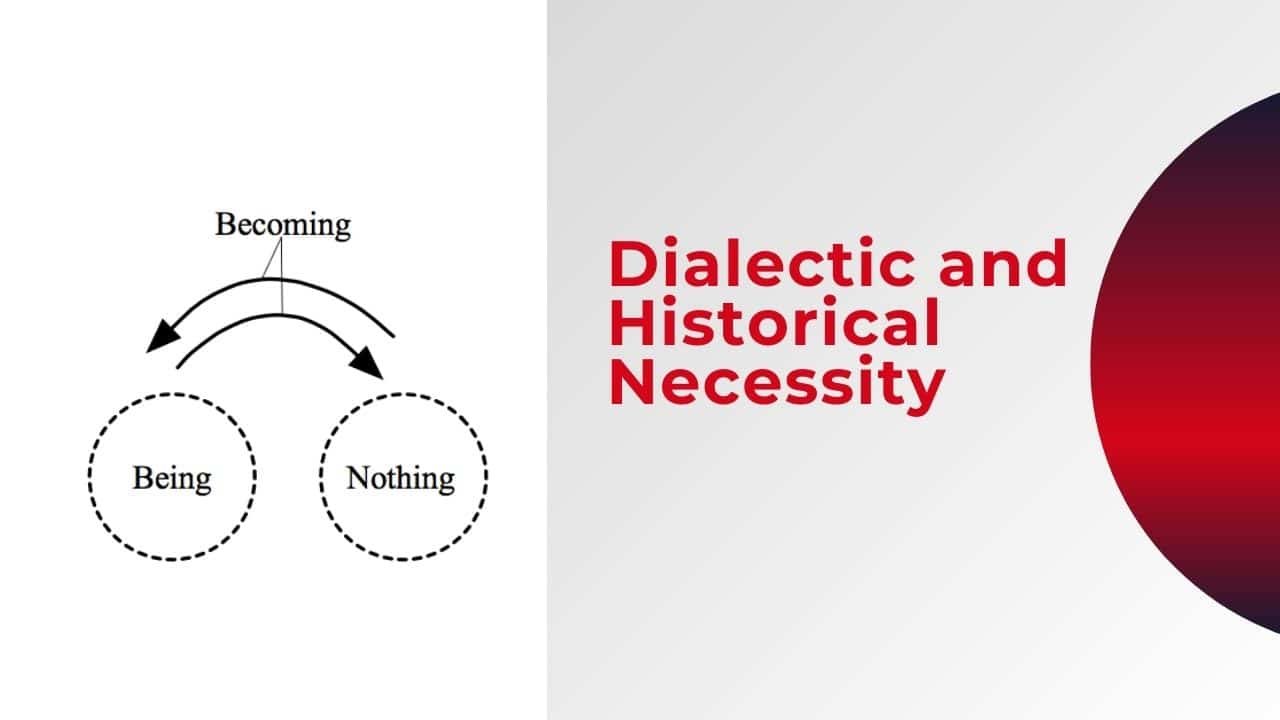
Dialectic and Historical Necessity

Dialectic and historical necessity form the core of G. W. F. Hegel’s philosophy of history and political thought. Hegel argued that historical development is neither accidental nor purely the result of individual will, but the outcome of rational, impersonal forces unfolding through contradiction and resolution. Using the dialectical method, he sought to explain how social … Read more

The Historical Method of Dialectic and Nationalism in Hegel’s Philosophy

The Historical Method of Dialectic & Nationalism

Hegel’s historical method of dialectic represents one of the most ambitious attempts to reconcile reason, history, morality, and political authority into a single philosophical system. Developed in response to Enlightenment individualism and the upheavals of the French Revolution, Hegel’s dialectic sought to explain historical change as a rational and necessary process. Central to this method … Read more

Convention and Tradition in Hume and Burke: Foundations of Conservative Thought

Convention and Tradition: Hume and Burke

David Hume and Edmund Burke reshaped modern political philosophy by dismantling the rationalist doctrine of natural law and replacing it with a powerful emphasis on convention, tradition, and historical continuity. Where Enlightenment thinkers sought universal principles grounded in reason, Hume exposed the limits of rational certainty, arguing that social order rests on habits, sentiments, and … Read more

Jean-Jacques Rousseau: Rediscovering Community and the General Will

Jean Jacques Rousseau

Jean-Jacques Rousseau, a seminal figure of the French Enlightenment, challenged the prevailing rationalist and individualist ideologies of his time. Through his writings, he emphasized that humans achieve their true moral and social nature only within communities. His revolutionary concepts of the “general will” and civic virtue reshaped political philosophy, influencing democratic thought, patriotism, and collective … Read more

The Decadence of Natural Law in 18th-Century France

France: The Decadence of Natural Law

The eighteenth century in France marked a turning point in political thought. Emerging from the shadows of Louis XIV’s absolutism and the decadence of the monarchy, French philosophers like Montesquieu and Rousseau sought to reinterpret natural law in light of social inequality, bureaucracy, and the failures of autocracy. Unlike Locke’s English model, French political philosophy … Read more

Halifax and Locke: Shaping England’s Constitutional Thought

Halifax and Locke

The Glorious Revolution of 1688 marked a turning point in English political history, establishing a constitutional monarchy and redefining the relationship between church and state. Central to this transformation were George Savile, First Marquis of Halifax, and philosopher John Locke. Their pragmatic, empirically grounded approaches emphasized toleration, individual rights, and the balance between power and … Read more

The Republicans: Harrington, Milton, and Sidney’s Vision of Government

The Republicans: Harrington, Milton, and Sidney

The 17th-century English republican thinkers—James Harrington, John Milton, and Algernon Sidney—shaped political thought through their theories of government, liberty, and property. Harrington emphasized the economic basis of political power and the structure of an ideal commonwealth, Milton championed freedom of speech and moral justification of resistance, and Sidney upheld parliamentary accountability over hereditary monarchy. Their … Read more

Radicals and Communists: Levellers and Diggers in 17th-Century England

Radicals and Communists

The English Civil Wars sparked revolutionary ideas about political and economic equality. The Levellers emerged advocating radical democracy, individual rights, and parliamentary representation, while the Diggers pursued utopian communism, emphasizing communal land ownership and the eradication of economic inequality. Together, these groups shaped early modern radical thought, influencing later democratic and socialist movements. “The poorest … Read more

Thomas Hobbes: The Science of Human Nature and Sovereignty

Thomas Hobbes Moral and Political Philosophy

Thomas Hobbes revolutionized political thought by applying scientific reasoning to human behavior and governance. From his analysis of self-preservation to the justification of sovereign power, Hobbes created a systematic philosophy that merged psychology, materialism, and politics. His ideas, most famously in Leviathan, continue to shape modern theories of law, individualism, and government. “The condition of … Read more