Balancing Rights and Power in Modern Democracies
Rights And Power

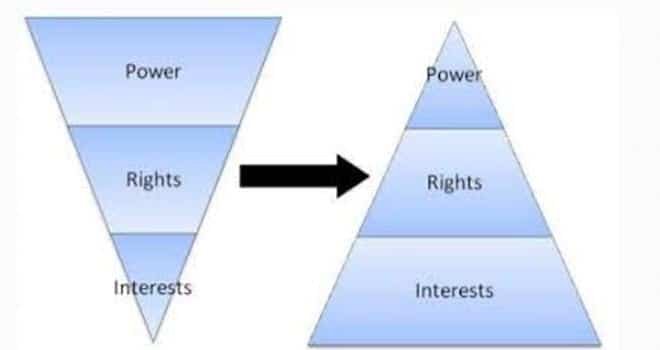
The tension between individual rights and governmental power is a central challenge in political science. Governments must operate within defined limits to protect freedoms like speech, work conditions, and property rights. Yet, the effectiveness of these safeguards depends not only on constitutions and courts but also on the education, organization, and social cohesion of the … Read more

How the State Ensures the Realisation of Citizen Rights

The Realisation Of Rights

The realisation of rights is central to the function of the modern State. While citizens may possess inherent rights, it is the responsibility of the State to create conditions where these rights can be exercised meaningfully. Through decentralization, organized consultation, and careful limitation of authority, the State enables individuals and associations to flourish while preventing … Read more

Understanding Particular Rights: Foundations of Liberty and Justice

Discuss about particular rights

Particular rights are the cornerstone of a functional society, ensuring individuals can achieve their fullest potential. Beyond legal documents, these rights depend on tradition, civic engagement, and social institutions. By exploring rights like the right to work, fair wages, and personal freedoms, we understand how citizens can shape a just and equitable society. “Rights are … Read more

Balancing Individual Rights and State Authority in Modern Society

Rights And The State

Rights are not solely granted by the State—they arise wherever individuals and communities express their personality, beliefs, and collective goals. The State plays a coordinating role, but its power must never overshadow other associations, whether religious, social, or professional. True liberty and equality emerge when the State facilitates the full personal development of its citizens, … Read more

Understanding the Nature of Rights: Citizen and State in Balance

The Nature Of Rights

The nature of rights is the cornerstone of political philosophy, defining the relationship between the State and its citizens. Rights are not mere legal privileges but essential conditions that allow individuals to achieve their best selves while contributing to the common good. A State’s true character is reflected in how it recognizes, protects, and adapts … Read more

Understanding the Definition and Development of Law

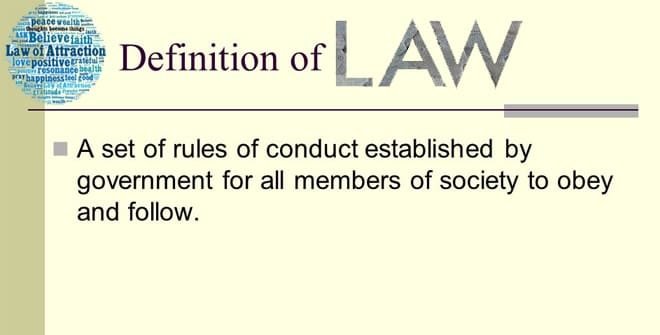
Definition of Law

Law is the framework that governs human behavior and organizes society. From moral principles and social customs to political commands enforced by the state, law serves as a guiding and coercive force. Its development reflects centuries of history, blending Roman, Teutonic, and modern influences, and its purpose is to maintain social order, protect rights, and … Read more

Balancing Sovereignty and Liberty: The State and Individual Freedom

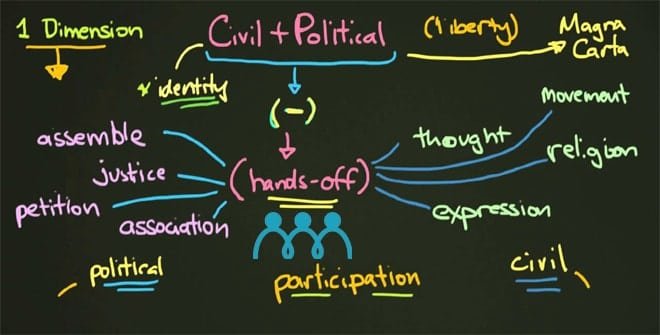
Civil and political rights

The relationship between sovereignty and liberty has long challenged philosophers and political theorists. Sovereignty represents the supreme authority of the state, while liberty embodies the freedom of the individual. Far from being opposites, these concepts are deeply interconnected: effective sovereignty ensures the protection and expansion of real liberty. Understanding the delicate balance between authority and … Read more

Understanding the Nature of Sovereignty in Modern States

Sovereignty

Sovereignty is the defining characteristic that sets the state apart from all other associations. It represents the supreme legal authority within a territory, shaping the relationship between the state and its citizens, between individuals, and among states themselves. From absolute legal power to modern democratic limits, understanding sovereignty is key to analyzing law, government, and … Read more

Understanding the Theory of the State: Origins, Principles, and Impact

The theory of the state explores the origin, nature, and purpose of political organization. From early social institutions to modern governance, political thought has evolved through conservative and radical ideas, juristic, organismic, and social contract theories. Understanding these theories helps explain the authority of governments, the rights of citizens, and the progress of democracy over … Read more