Huldrych Ulrich Zwingli and the Democratic Vision of the Swiss Reformation

Huldrych Ulrich Zwingli

Huldrych Ulrich Zwingli was a leader of the Reformation in Switzerland, born during a time of emerging Swiss patriotism and increasing criticism of the Swiss mercenary system. He attended the University of Vienna and the University of Basel, a scholarly center of Renaissance humanism. He continued his studies while he served as a pastor in … Read more
Philip Melanchthon: Lutheran Reformer & Political Thinker

Philip Melanchthon

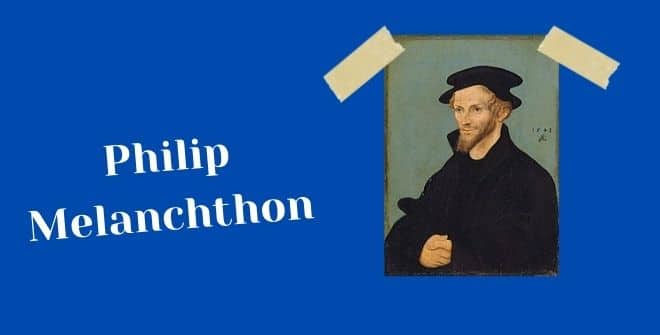
Philip Melanchthon was a German Lutheran reformer, collaborator with Martin Luther, the first systematic theologian of the Protestant Reformation, intellectual leader of the Lutheran Reformation, and an influential designer of educational systems. He stands next to Luther and John Calvin as a reformer, theologian, and molder of Protestantism. “Natural law, revealed by God and inherent … Read more

How Martin Luther Shaped Political Thought During the Reformation

Martin Luther

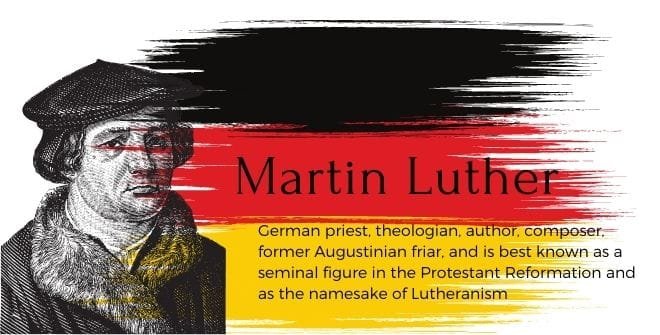
Martin Luther was a German priest, theologian, author, composer, and former Augustinian friar, and is best known as a seminal figure in the Protestant Reformation and as the namesake of Lutheranism. “By emphasizing the supremacy of the state over the church, Martin Luther laid the foundation for modern political authority.” Martin Luther It was natural … Read more

How Medieval Thought Shaped Early International Relations

Medieval Theory of International Relations

The medieval period, often called an age of organized anarchy, laid the foundations for modern international relations. While local dominions dominated and universal law was mostly theoretical, the church, feudal systems, and emerging national monarchies fostered early diplomatic practices. Arbitration, territorial sovereignty, and codes of law gradually shaped a framework that influenced later international jurisprudence, … Read more

Niccolò Machiavelli: Father of Modern Political Thought

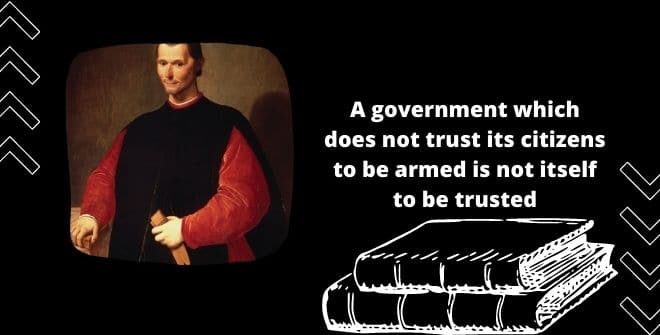
Niccolo Machiavelli

Niccolo di Bernardo dei Machiavelli rarely rendered Nicholas Machiavel was an Italian diplomat, author, philosopher, and historian who lived during the Renaissance. He is best known for his political treatise The Prince, written about 1513. He has often been called the father of modern political philosophy and political science. “It is better to be feared … Read more

How Fifteenth-Century Jurists Shaped Modern Legal and Political Thought

The Jurists of the Fifteenth Century

The fifteenth century witnessed a profound transformation in legal and political theory, driven by jurists who studied Roman law and applied it to evolving ecclesiastical, civic, and state institutions. Their exploration of corporate personality, natural law, and representation laid the groundwork for modern concepts of popular sovereignty, legal entities, and democratic governance. These jurists bridged … Read more

The Conciliar Movement: Church Reform and Early Democratic Ideas

The Conciliar Movement

The Conciliar Movement was a reform movement in the 14th-, 15th- and 16th-century Catholic Church which held that supreme authority in the Church resided with an ecumenical council, apart from, or even against, the pope. The movement emerged in response to the Western Schism between rival popes in Rome and Avignon. “The authority of the … Read more

How Wycliffe and Hus Shaped Political Thought in Medieval Europe

John Wycliffe and Jan Hus

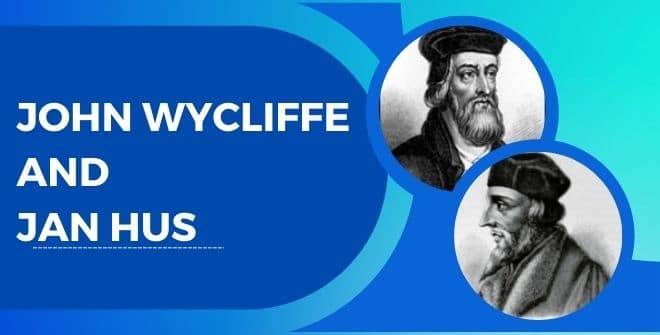
The tendencies of the later part of the medieval period were reflected in the doctrines of John Wycliffe  (1320-1384) in England and Jan Hus (1369-1415) in Bohemia, and in the national, anti-papal, and democratic movements for which their teachings were held responsible. While both Wycliffe and Hus devoted themselves mainly to theological questions, they were … Read more

Major Political and Economic Trends in the Middle Ages

General Tendencies during the Middle Ages

The Middle Ages (c. 500–1500 CE) were a transformative period in European history. Marked by the decline of feudalism, the rise of national monarchies, the growth of commerce and cities, and shifts in ecclesiastical authority, this era laid the foundations for modern political and economic structures. Understanding the general tendencies of this period reveals how … Read more

Marsilius of Padua and Ockham: Foundations of Modern Political Thought

Marsilius and William of Ockam

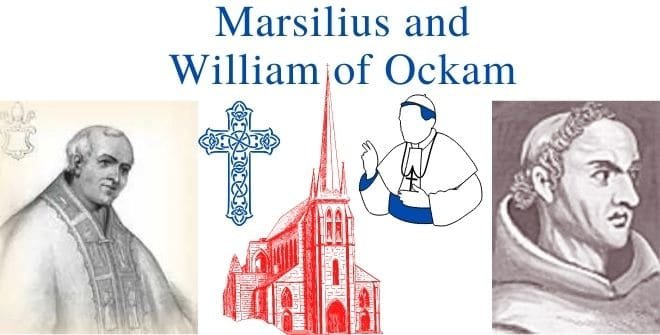
In the third part of his Dialogues, William of Ockam briefly dealt with Marsilius of Padua’s theory of conciliar infallibility. By contrast, none of the contemporary papal responses to the Defensor pacis discussed the Marsilius anti-papal conciliar program. Marsilius of Padua The greatest and most original political treatise of the Middle Ages was the work … Read more