The Moral Basis of Property: Why Earning Matters More Than Owning
The Moral Basis Of Property

The moral basis of property rests on the idea that ownership is not merely a legal right but an ethical one rooted in personal effort and social responsibility. Property gains legitimacy when it enables individuals to meet basic needs, express personality, and contribute productively to society. When ownership is detached from labor—especially through inherited wealth—it … Read more
Understanding the Present System of Property: Wealth, Inequality & Rights in the USA

The Present System Of Property

The present system of property reflects one of the deepest and most persistent divides in American society: the gap between those who own wealth, especially real estate, and those who do not. Property ownership in the U.S. is not just an economic asset—it’s a fundamental pillar shaping social security, political influence, and intergenerational opportunity. Today’s … Read more

Liberty and Government: How Equality, Power & Participation Shape Freedom

Liberty And Government

In democratic theory, the relationship between liberty and government defines the very foundations of individual freedom and civic equality. This view argues that while legislation alone cannot make citizens free and equal, the structure and responsiveness of government are essential to ensure that power reflects the needs and wills of the people. Understanding how liberty, … Read more

Liberty and Equality in the International Order: Power, Governance, and Global Justice

Liberty And Equality In International Aspect

Liberty and equality are often discussed within the boundaries of a single nation-state, yet modern global realities demand a broader lens. In an interconnected world shaped by unequal power, economic dependence, and international institutions, these ideals must be redefined beyond sovereignty. Liberty and equality in the international aspect now depend on collective governance, rational dispute … Read more

How Liberty and Equality Converge — Insights for Today’s U.S. Society

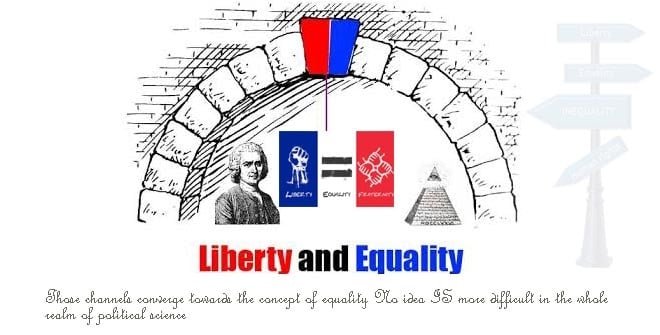
Liberty And Equality

In political thought, liberty and equality often seem opposed — yet their convergence lies at the heart of modern democratic societies. This exploration connects classical ideas about equal citizenship, opportunity, and freedom with contemporary U.S. inequality challenges in wealth, education, and power structures — demonstrating why equality is not uniform treatment but equitable opportunity and … Read more

Safeguards of Liberty in the USA: Why Equality and Freedom Must Coexist

The Safeguards Of Liberty

The concept of Safeguards of Liberty explores how true freedom in society depends on equal access to power and protections under law — not merely formal citizenship. When special privileges exist, individuals without equal opportunity can feel frustrated, disengaged, and disempowered. This undermines the essence of liberty, which must be actively protected through unbiased systems, … Read more

The Nature of Liberty: Rights, Opportunity, and the Freedom to Become Our Best Selves

The Nature Of Liberty

Liberty is not merely the absence of restraint; it is the presence of opportunity grounded in rights. The nature of liberty lies in creating conditions where individuals can fully develop their faculties, exercise conscience, and contribute meaningfully to society. In the American democratic tradition, liberty emerges when government power is accountable, rights are protected, and … Read more

Safeguarding Individual Liberty: Limiting State Power and Protecting Human Freedom

Certain limiting factors in sovereignty

Safeguarding individual liberty requires more than formal representation or written laws. It depends on active resistance to unchecked power, informed public opinion, judicial independence, press freedom, and economic fairness. Without organized citizens, vigilant courts, and equitable access to resources, governments tend to erode the very freedoms they claim to protect. True liberty flourishes only where … Read more

How Institutional Government Consultation Strengthens Democratic Policy Making

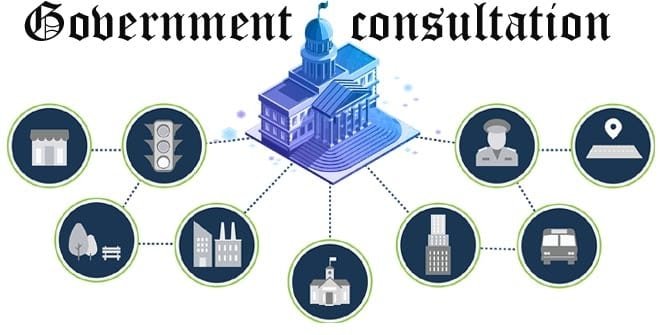
Government as consultation

Institutional government consultation transforms decision-making by mandating structured dialogue between government and stakeholders. Unlike informal protest channels, formal consultation bodies ensure that expert opinion influences proposed policies before they are legislated, creating a more transparent, accountable, and democratic governance framework. “A government that consults authoritative bodies before making policy does not merely respond — it … Read more

Why a Responsible State Must Prioritize Citizens and Accountability

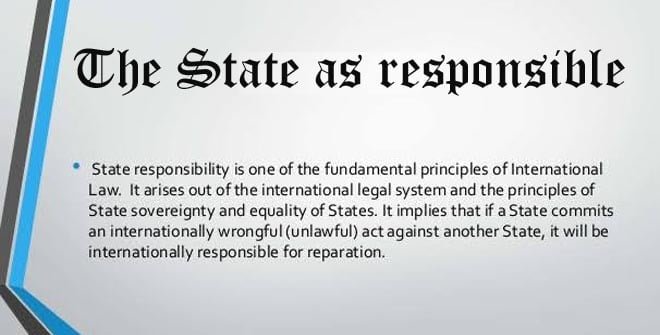
The State as responsible

This article explores the concept of a responsible State — one that can be held accountable, effectively serve its people, and balance institutional authority with citizen welfare. It discusses how responsibility in governance relies on education, public engagement, economic equity, and organized industrial consultation. Through an analysis of state functions — from education and labor … Read more