Origin of Political Thought: From Ancient Greece to Modern Political Theory
Origin of Political Thought

The origins of political thought are in ancient Rome and Greece. Starting in approximately 600 B.C.E, thinkers in these societies began to consider questions of how to organize societies, as part of their broader considerations of ethics and how to live the good life. “Political thought begins when humans start questioning power, authority, and the … Read more
Modernization and Political Development: Meaning, Features, and Impact

Modernization and Political Development

Modernization and political development describe the transformation of societies from traditional systems to modern social, economic, and political structures. This process involves technological advancement, industrialization, urbanization, political participation, and institutional growth. Understanding modernization helps explain how nations achieve stability, democracy, and sustainable development in the modern world. “Modernisation is not merely economic growth; it is … Read more

Power in Political Science: Meaning, Types, Authority, and Legitimacy

Importance of Power

Power is one of the most fundamental concepts in political science, shaping governance, authority, influence, and social order. From classical philosophers like Plato and Aristotle to modern theorists such as Max Weber and Robert Dahl, power has been viewed as the driving force behind political systems, decision-making, and societal stability. Understanding power helps explain how … Read more

Role of Political Elites in Modern Society and Democracy

Role of Political Elites

Political elites play a decisive role in shaping policies, guiding political institutions, and influencing social development. From classical thinkers like Plato and Aristotle to modern theorists such as Pareto, Mosca, Michels, and C. Wright Mills, elite theory explains how a minority group exercises power in society. Understanding the role of political elites helps explain leadership, … Read more

Theory of Separation of Powers: Meaning, History, Impact & Criticism

Theory of Separation of Power

The Theory of Separation of Powers is a foundational principle of constitutional law that divides government authority among three branches—legislative, executive, and judicial. This doctrine prevents the concentration of power, safeguards individual liberty, and ensures accountability through checks and balances. Developed prominently by Montesquieu, the theory has shaped modern democratic constitutions, especially in the United … Read more

The Importance of Public Opinion in Democracy and Political Systems

Importance of Public Opinion

Public opinion represents the collective views, beliefs, and attitudes of people on issues affecting society. It plays a decisive role in democratic governance by shaping political decisions, influencing public policy, and ensuring accountability of governments. In modern political systems, public opinion functions as a guiding force that reflects social values, protects fundamental rights, and strengthens … Read more

The Russian Revolution (1917): Causes, Events, Leaders, and Global Impact

The Russian Revolution

The Russian Revolution was a transformative political and social upheaval that reshaped Russia and influenced global history. Beginning in 1917 with the collapse of the Romanov dynasty and culminating in the rise of the Bolsheviks and the formation of the Soviet Union, the revolution marked the end of monarchy and the emergence of communism. Driven … Read more

Unification of Germany (1871): Causes, Events, and Impact of the German Empire

Unification of Germany

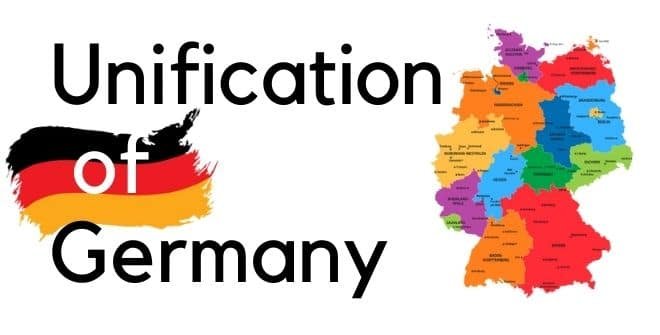
The Unification of Germany in 1871 was a landmark event in European history that transformed fragmented German states into a powerful nation-state under Prussian leadership. Driven by nationalism, militarism, economic integration through the Zollverein, and the strategic leadership of Otto von Bismarck, German unification reshaped Europe’s political balance and laid the foundation for modern Germany. … Read more

Enlightenment, Liberalism, and Socialism: New Ideas That Shaped Modern Europe

New Ideas and Movements in Europe

New Ideas and Movements in Europe, also known as the Enlightenment, was a philosophical movement that dominated the world of ideas in Europe in the 18th century. Centered on the idea that reason is the primary source of authority and legitimacy, this movement advocated such ideals as liberty, progress, tolerance, fraternity, constitutional government, and separation … Read more

Industrial Revolution: Origins, Innovations, and Global Impact

The Industrial Revolution

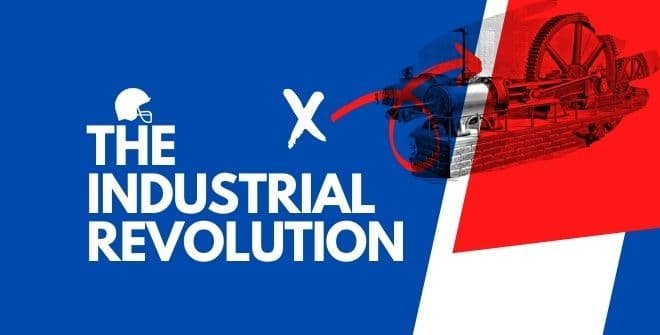
The Industrial Revolution was a transformative period that shifted production from handicraft to machine-based manufacturing, reshaping economies, societies, and global power structures. Beginning in Britain in the late 18th century and spreading to Europe and the United States, it introduced mechanization, urbanization, and technological innovation that laid the foundation for modern industrial society. “The Industrial … Read more